
Software development
Systems that hold up after the launch week
We take a product from requirement to running system — interface, API, data and deployment — and stay on for the changes that follow.
Capabilities
What the work covers
Most engagements use several of these. Very few need all of them at once, and we will say which ones yours does not.
Product and interface
Screens, flows and states worked out before the build starts, so the front end is designed rather than assembled from components as it goes.
React · Next.js · TypeScript · Tailwind CSS
APIs and services
Typed, versioned REST contracts with authentication, validation and error handling designed in — not retrofitted after the first integration breaks.
Java · Spring Boot · Node.js · Python
Data
Schema design, indexing and migration paths. We model the data before writing the endpoints, which is usually what saves the rewrite later.
PostgreSQL · MySQL · MongoDB · Redis
Mobile
One codebase across iOS and Android, sharing the same API layer as the web product rather than duplicating business logic.
Flutter · React Native
Cloud and delivery
Containerised deployments, environment parity and a pipeline that anyone on your team can run. Infrastructure lives in your account, not ours.
AWS · Azure · Google Cloud · Docker · CI/CD
After launch
Monitoring, fixes and the next round of changes. Handover includes documentation and access, so you are never locked to us.
Support · Monitoring · Iteration
Approach
How we decide what to build
Three positions that shape most of the technical calls we make.
Scale when there is something to scale
We do not open with microservices and a service mesh. Most products are better served by one well-structured application, with clear seams so services can be split out when traffic or team size actually demands it.
Boring infrastructure on purpose
Managed databases, container images, a CI pipeline and a CDN in front. Predictable, debuggable at 2am, and hireable for — which matters more than novelty once we hand it over.
Written down, not just built
Scope, architecture decisions and runbooks are documented as we go. When you bring in another team later, they should not have to reverse-engineer our reasoning.
Stack
Mainstream tools, chosen on purpose
We work in stacks with long support horizons and deep hiring pools, so your system stays maintainable after we hand it over.
- Frontend
- ReactNext.jsTypeScriptAngularTailwind CSS
- Backend
- JavaSpring BootNode.jsPythonREST & microservices
- Mobile
- FlutterReact Native
- Data
- PostgreSQLMySQLMongoDBRedis
- Cloud & DevOps
- AWSAzureGoogle CloudDockerKubernetesCI/CD
Work
Recent work
Client products, internal tools and platforms we run ourselves.

Archita Creation
E-commerceA luxury bedding store selling Giza cotton sheets, hand-block dohars and sateen comforters. Built around collection filters and a rich catalogue, with a deliberately restrained storefront.
Next.js · React · Node.js · MongoDB
(opens in a new tab)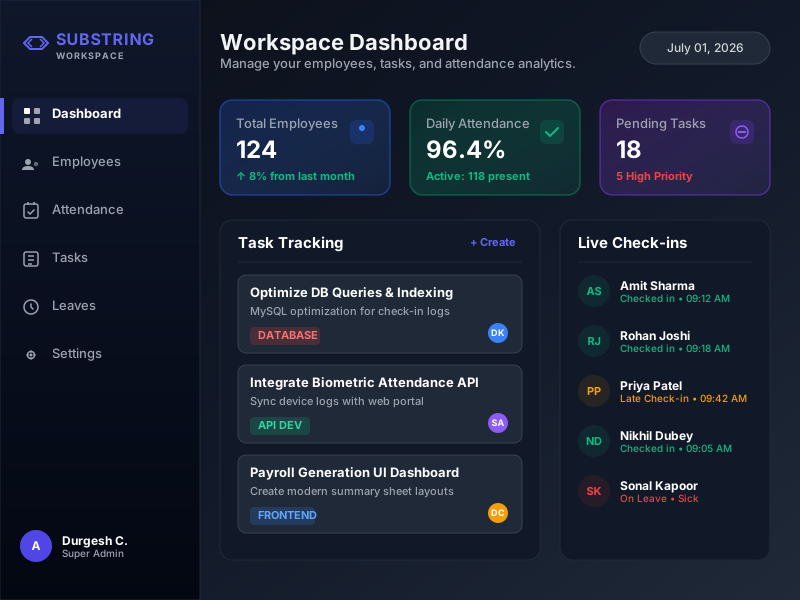
Substring Workspace
Internal toolingAn employee management system covering attendance, task assignment, activity logs and an admin control panel. Built for our own operations, then hardened for client use.
Next.js · React · Prisma · MySQL
(opens in a new tab)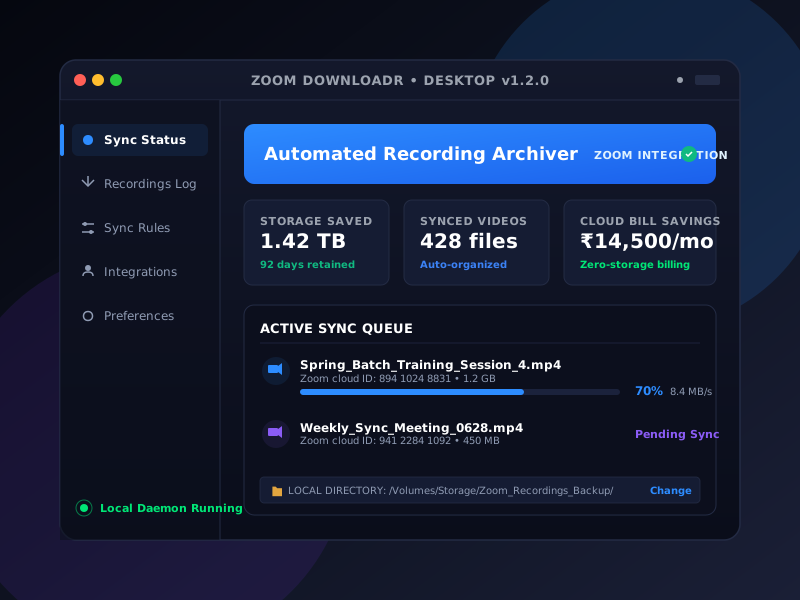
Zoom Downloadr
Desktop utilityA local-first desktop app that downloads, catalogues and backs up Zoom cloud recordings to a local drive, so teams stop paying for cloud recording storage.
Electron · Node.js · Zoom API
(opens in a new tab)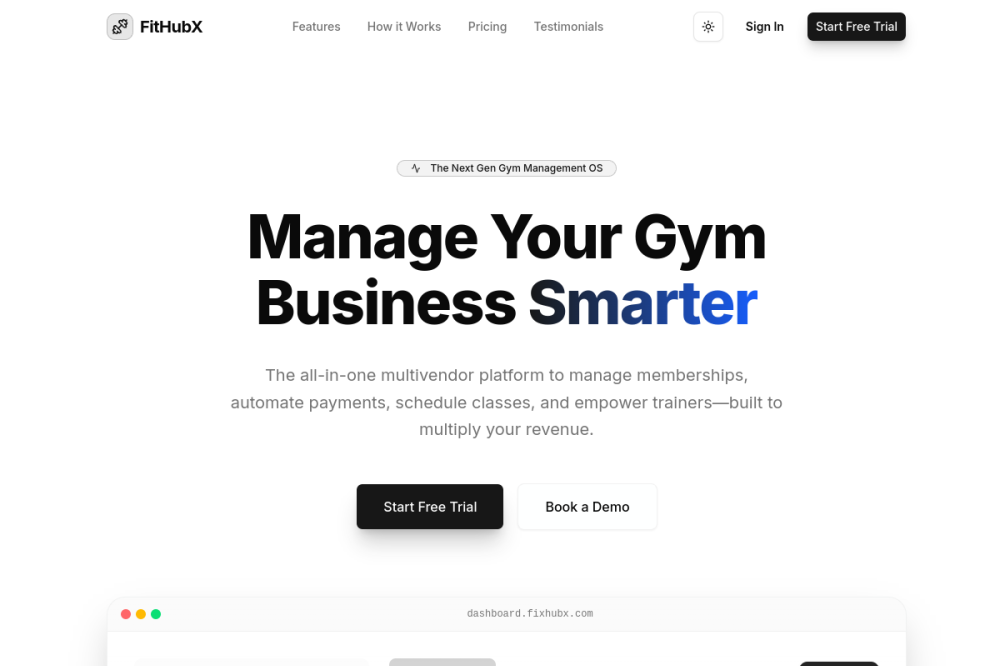
Gym Management Platform
SaaSA platform for gym owners to run memberships, billing, class schedules and member progress from one dashboard, replacing spreadsheets and paper registers.
Next.js · React · Node.js
(opens in a new tab)
Puja Item
E-commerceAn online store for spiritual products, with category browsing, user accounts and an integrated payment gateway through to checkout.
React · Express · MongoDB · Payments
(opens in a new tab)
Iron Hive Fitness
Marketing siteA responsive promotional site for a local gym covering facilities, trainers and membership plans, built to load quickly on mobile connections.
HTML5 · Tailwind CSS · JavaScript
(opens in a new tab)
Learn Code With Durgesh
Learning platformThe learning management system behind our own courses: course delivery, progress tracking and online assessments, serving thousands of students.
React · Next.js · Java · Spring Boot
(opens in a new tab)
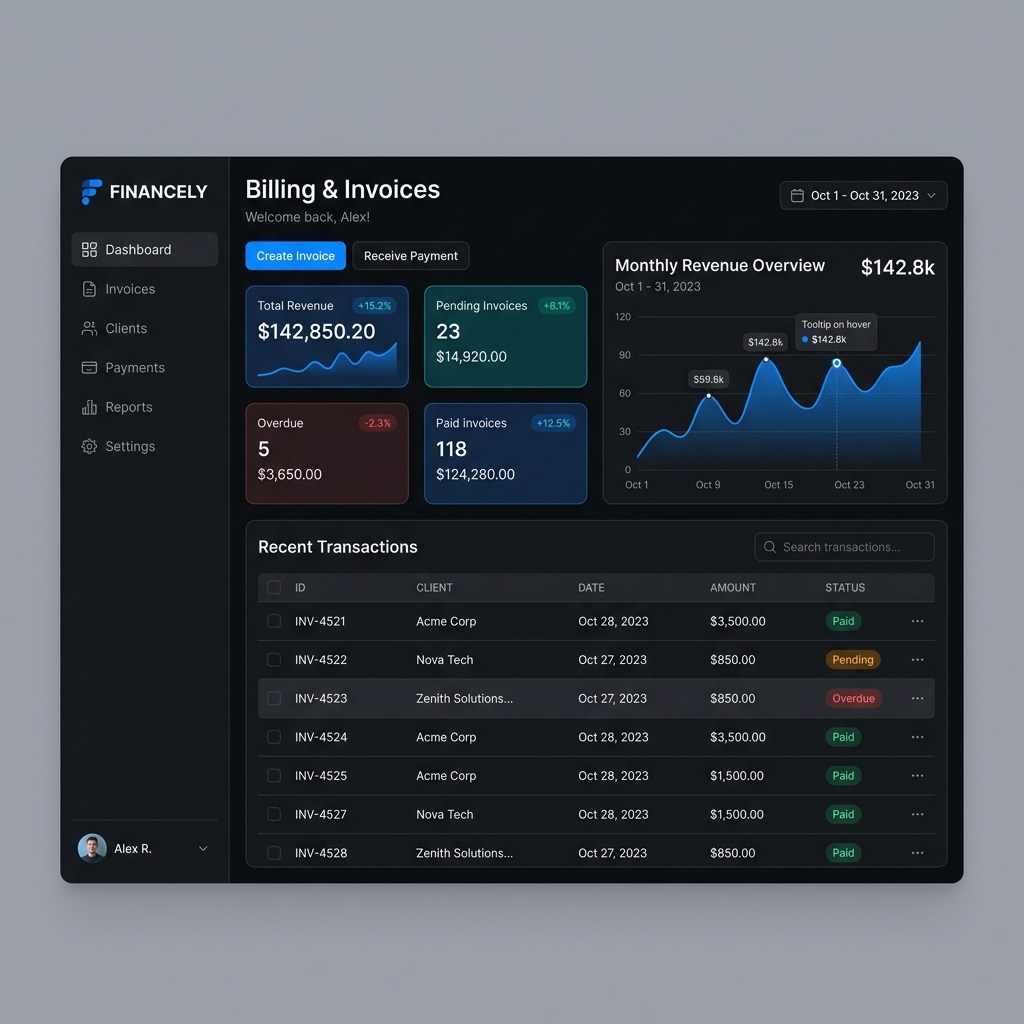
EduStream School ERP
Enterprise systemA school ERP covering student records, faculty coordination, attendance and fee processing in a single dashboard.
Next.js · PostgreSQL · Prisma
Private deployment
Billing & Invoicing
FinTechA B2B billing and invoice platform with automated invoicing, payment tracking and monthly revenue reporting.
Vue.js · Node.js · Stripe
Private deployment
How we work
A delivery process with no surprises in it
Same five stages on every engagement, whether it is a two-week build or a six-month platform.
Discovery
A call to understand the problem, the users and the constraints you are working within — budget, timeline, existing systems.
Scope and estimate
We write down what will be built, in what order, and what it costs. You approve the scope before any code is written.
Design and build
Interface and architecture in parallel, shipped in reviewable increments so you see working software early rather than at the end.
Review and launch
Testing, fixes from your feedback, then deployment to your cloud account with the pipeline and documentation handed over.
Support
Post-launch changes, monitoring and fixes. You keep talking to the engineers who built it.
Details
Working with us
The questions that come up on almost every first call.
How do you price a project?
We scope the work into stages and quote per stage, so you can stop, change direction or extend after any one of them. For longer engagements we also work on a monthly retainer.
Can you work with our existing codebase?
Yes. A fair amount of our work is taking over or extending systems someone else built. We start with a review of the code, the data model and the deployment setup before committing to a plan.
Who owns the code and the infrastructure?
You do. Code is delivered into your repository and deployed to your own cloud account from the first stage, not migrated across at the end.
What happens after launch?
We stay on for changes, monitoring and fixes for as long as it is useful. If you would rather take it in-house, we hand over documentation and walk your team through the system.
Have something to build?
Send over what you are working on. We will tell you what it would take, and whether we are the right team for it.